May 30, 2026 · 5 min read
Why We Only Make 100% Natural Fiber Clothing
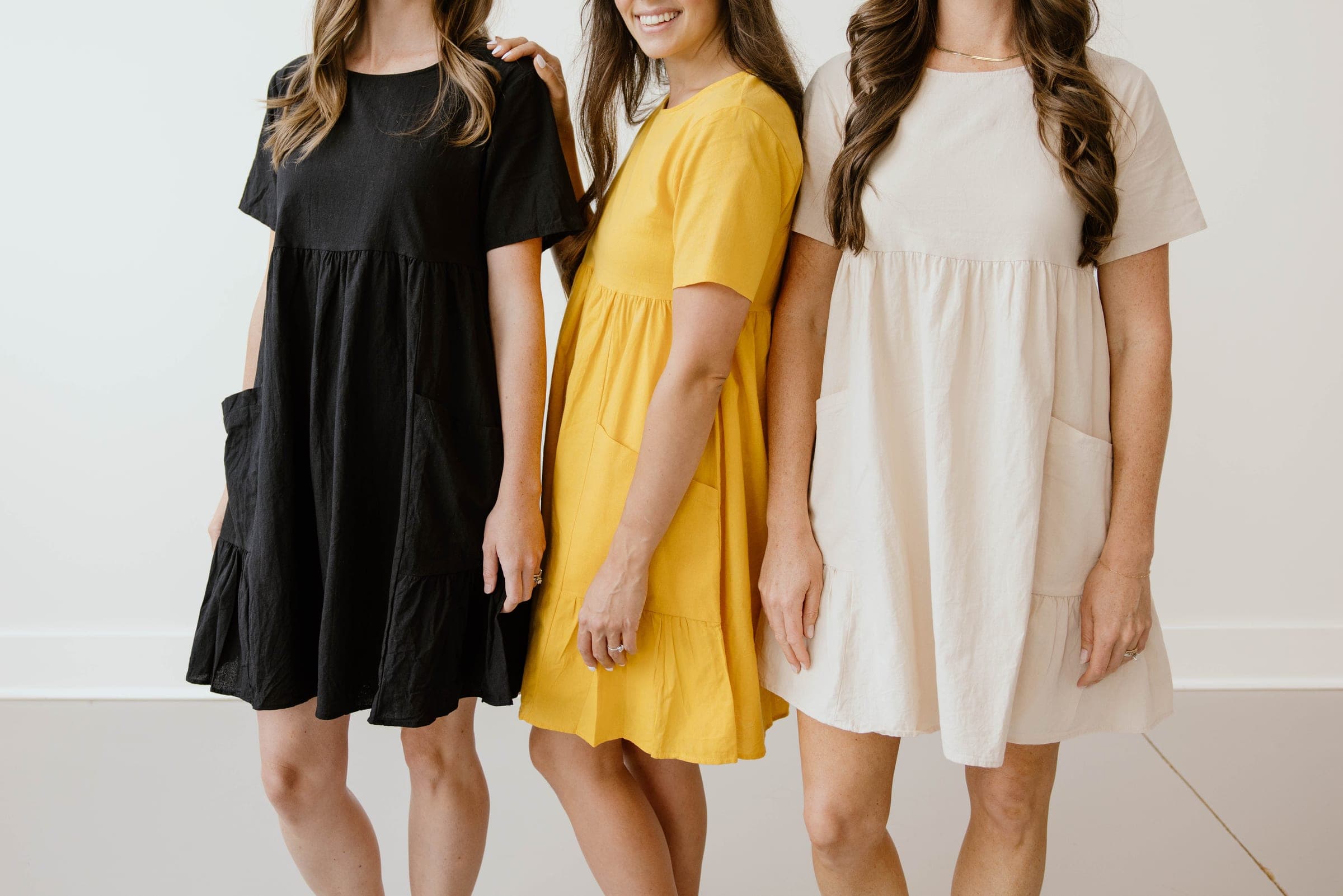
Polyester clothing became widely popular during the twentieth century because it offered something busy households valued: convenience. Unlike many natural fibers, polyester resisted wrinkles, required less ironing, dried quickly, and was inexpensive to manufacture. Those qualities helped transform the fashion industry, and they still make polyester appealing today.
Polyester can cost manufacturers very little to produce, yet clothing made from it is often sold at prices that bear little relationship to the cost of the fabric. It has allowed companies to produce clothing quickly, increase margins, and offer consumers an endless stream of new styles.
But what is the true cost?
Polyester is a synthetic plastic, most commonly made from petroleum-derived polyethylene terephthalate, or PET. Unlike natural fibers such as cotton or linen, synthetic fabrics can shed microscopic plastic fibers during normal wear and washing. Scientists are actively studying whether these particles contribute to our overall exposure to microplastics and what long-term effects that exposure may have on human health. Our skin is our body's largest organ, and although it serves as an effective barrier, it is also in constant contact with the fabrics we wear. In addition, heat, sweating, and friction can increase the release of plastic fiber shedding.
Our bodies don't function in isolation. Each system is connected, and the choices we make every day, including the fabrics we wear, can contribute to our overall health. Natural fibers come from natural sources. “Natural fibers” are not just a marketing ploy. Cotton comes from the cotton plant, and linen comes from the flax plant. That is why we choose to make all of our clothing with 100% natural fibers, with no synthetic blends.